Research

I want to understand how the immune system learns to fight the infections that weigh most on the world’s most vulnerable people.

My path

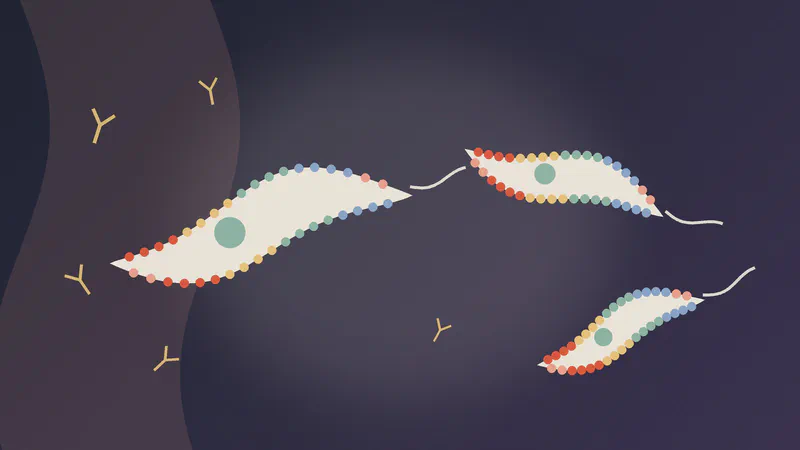
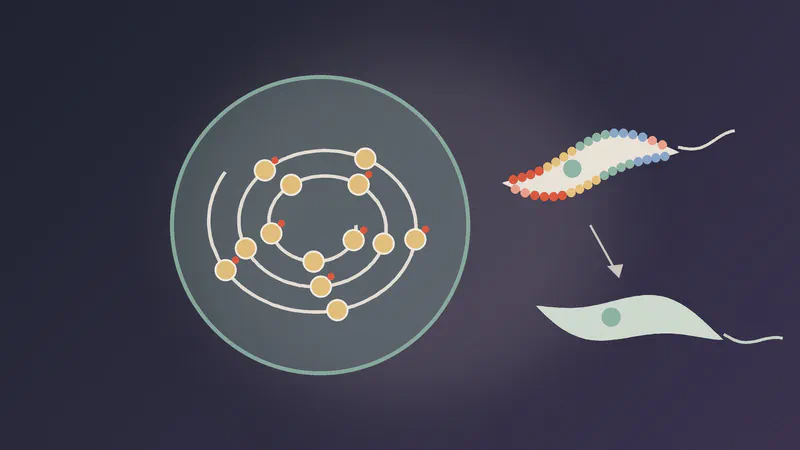
My path has moved from behavior toward immunity. In high school I studied how sleep shapes food choice in fruit flies. In college I worked across behavior, genetics and parasite biology — butterflies in Singapore, worms at Scripps, and the parasite Trypanosoma brucei at Harvey Mudd and Johns Hopkins — and then brought immunology into an aging lab for my senior thesis. Along the way one question kept pulling me in: how hosts and pathogens shape each other, especially in infections that weigh most on underserved communities. That question brought me to malaria and NK cells at Stanford.
  1. 2018 Sleep & behavior Takemoto Lab Shizuoka, Japan
  2. 2022 Inherited behavior Monteiro Lab Singapore
  3. 2023 Metabolism & lifespan Srinivasan Lab La Jolla, CA, USA
  4. 2023 Parasite gene regulation Schulz Lab Claremont, CA, USA
  5. 2024 Parasite immune evasion Mugnier Lab Baltimore, MD, USA
  6. 2024 Aging & immunity Hur Lab Claremont, CA, USA
  7. Now Malaria immunity Jagannathan Lab Stanford, CA, USA

Current research

  • Immunology
  • Global health

Natural Killer Cells and Naturally Acquired Immunity to Malaria

Jagannathan Lab · Stanford University School of Medicine · 2026–present

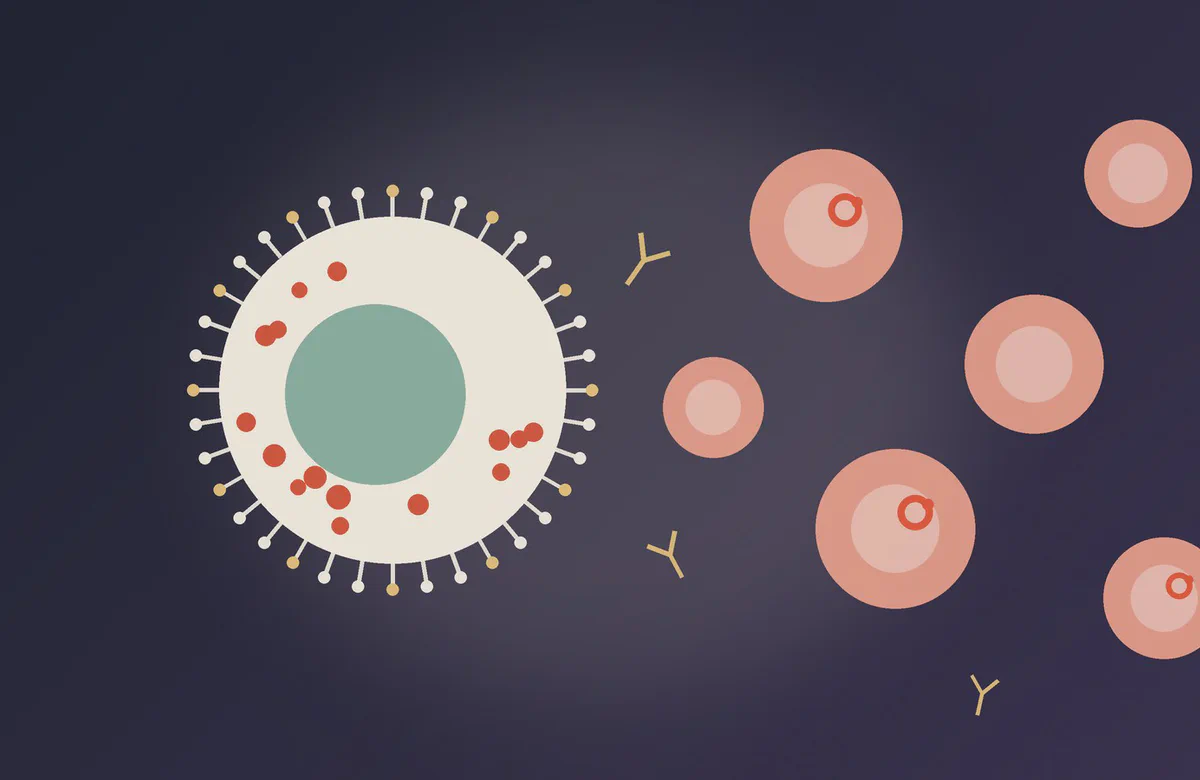
Children who grow up where malaria is common gradually become protected from severe disease — but how this naturally acquired immunity develops is still poorly understood. Working with samples from children in Uganda, I study how repeated malaria exposure shapes natural killer (NK) cells, and how that affects their ability to fight the parasite and support malaria vaccines.
Read more

Past research

Cite