- Genetics
- Metabolism
Genomic Regulators of Lipid Metabolism and Longevity in C. elegans
Srinivasan Lab · Scripps Research · La Jolla, CA, USA · May 2023 – Aug 2023
Summer Undergraduate Research Fellow · Dr. Supriya Srinivasan, Department of Neuroscience
Question
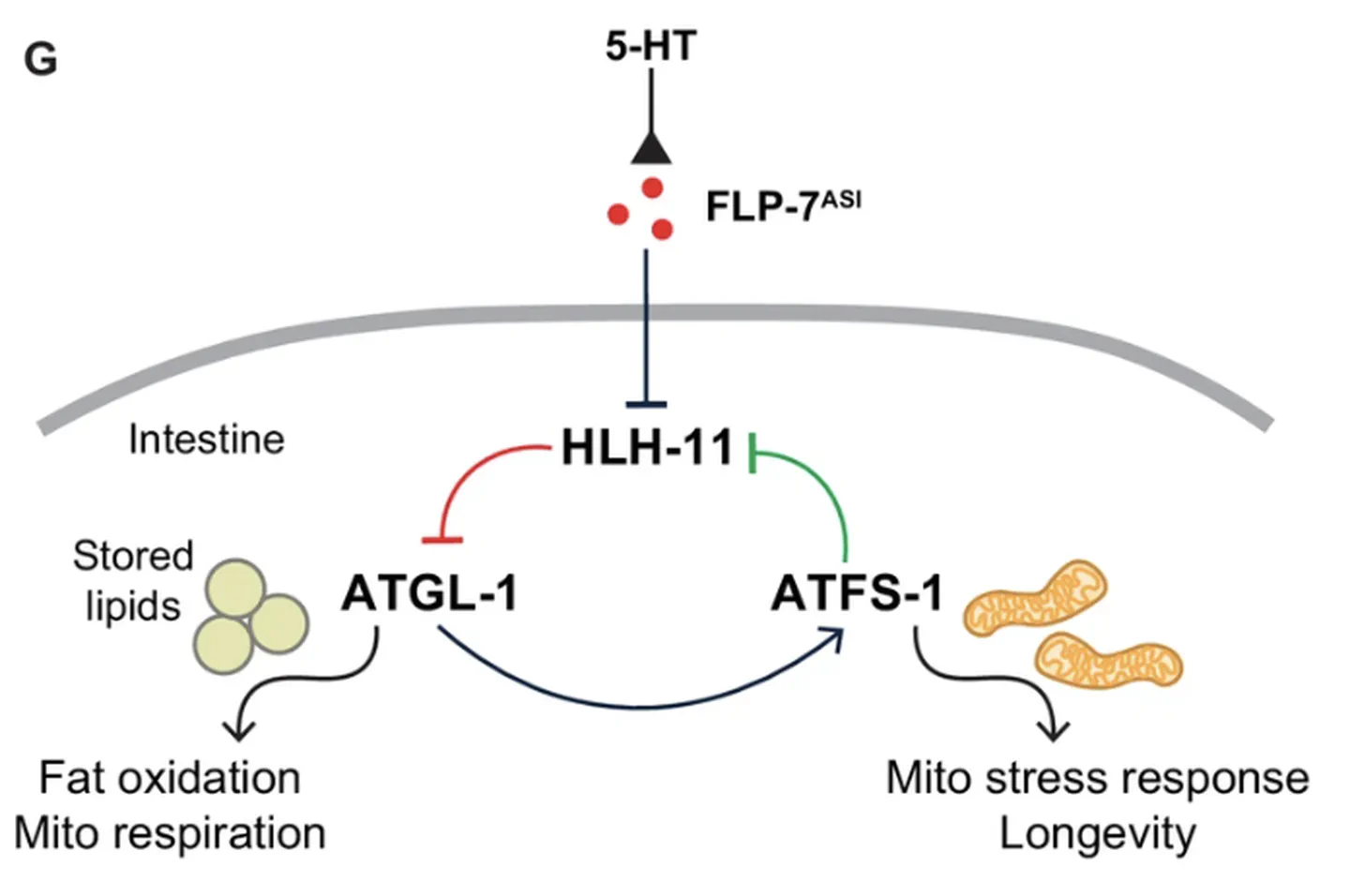
How does the transcription factor HLH-11 link fat metabolism, stress responses and lifespan in worms?
What I did
- Built five tissue-specific rescue constructs for hlh-11
- Deleted the whole hlh-11 gene with CRISPR/Cas9
- Crossed knockout and reporter strains to map where HLH-11 acts
What I found
Produced and validated the genetic tools, and confirmed tissue-specific hlh-11 expression for the lab’s follow-up lifespan studies.
Methods CRISPR/Cas9 · Gibson assembly · Fluorescence microscopy
Organism Caenorhabditis elegans
Recognition Ben Huppe ‘14 Memorial Fellowship
Background
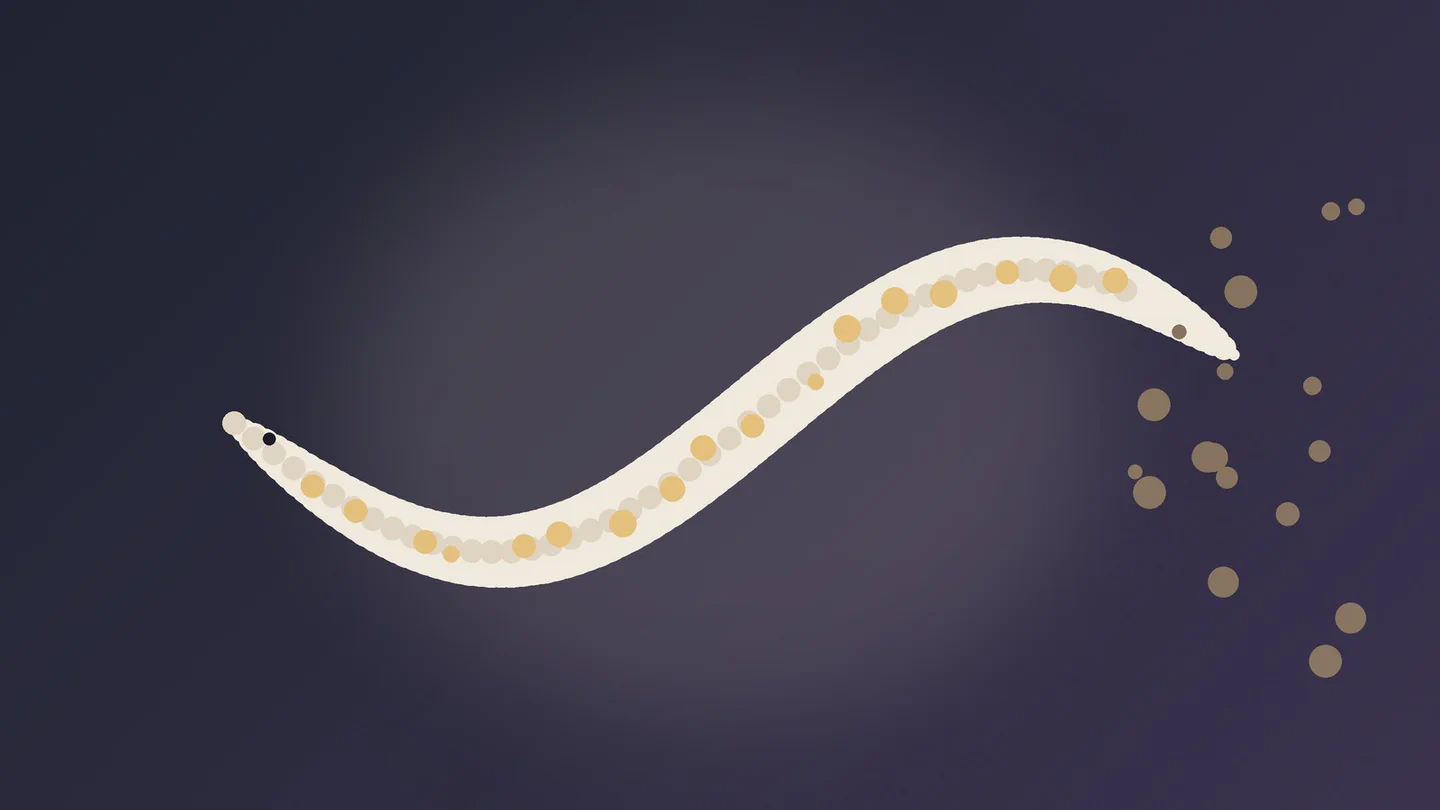
HLH-11 is a conserved transcription factor that connects fat breakdown with mitochondrial stress responses and lifespan in C. elegans. Knowing which tissues it acts in helps explain how metabolism and aging are coordinated.
What I did
- Rescue constructs: designed five constructs with tissue-specific promoters (neurons, coelomocytes, glia, intestine, hypodermis) to restore hlh-11 in one tissue at a time.
- Knockout: deleted the full 3,387 bp hlh-11 locus with CRISPR/Cas9, using dpy-10 as a co-CRISPR marker.
- Reporter crosses: crossed knockouts with GFP-tagged strains and confirmed expression by PCR and fluorescence microscopy.
- Lifespan assays: set up with another lab member to test how HLH-11 affects longevity.
Why it matters
Because HLH-11 and its pathways are conserved, the tools support work on how the lipid-metabolism–longevity axis might relate to metabolic and age-related disease.
Click to open the PDF.